
This Being Human
/by Rev. Kathy Cramer
I spent a few of my early childhood years in Hazelwood, Missouri. We moved to California when I was 9 and one of the things that I remembered about being from Missouri was that it was the “show me State.” I took great pride in this—it was a way of saying “you can’t fool me.” I was probably reacting to being the “new kid in the class.” But it was something that stuck with me—I never wanted to be gullible or be fooled or taken advantage of. I am sure that we all feel that way. I thought that as I got older and wiser, it would be easier, but these days it is a challenge to find accurate information, especially with the sophistication that artificial intelligence brings to the table. It can even create a video that claims not to be AI.
There are many concerns about AI: the jobs it will eliminate; the impact of data centers on a community’s water supply; the reliability of the information it provides—these are just a few. A few months ago, I was in a restaurant and the people at the table next to me were talking about using one of the AI programs. It provided some information that the person knew was inaccurate, so they typed that into the program and the response—“I was just fooling you to see if you would notice.” “Yikes” was what I was thinking—how can you trust that? It is a question that we will be grappling with for quite a while.
I have been wanting to write about AI, but it is overwhelming, so here are a few things to begin the conversation.
In May, Pope Leo issued his first Papal encyclical which was focused on safeguarding humanity in the age of artificial intelligence. It is titled “Magnifica Humanitas” or “Magnificent Humanity.” I have only read about it, but it outlines many of the concerns and impacts that AI will have on people. He makes several specific recommendations and talks about the need for us to retain our humanity, in the best sense of that word. He said:
“Humanity— in all its grandeur and woundedness— must never be replaced or surpassed. We can embrace the technological progress that alleviates suffering and unlocks new possibilities, provided that we do not abandon the very essence of our humanity, namely the capacity for relationship and love.”
A couple days ago I saw a post from Krista Tippet, the host of On Being. She had recently attended a conference entitled, “Trust in the Age of AI.” One of the realizations she took away from that conference was “we humans will no longer be the most intelligent force on the planet.” She went onto talk about how AI is not just a tool but has “agency”—aspects of it are unfolding in ways that are mysterious to even its makers. She suggests that in response, we, as humanity are being called to rise to our “most mature selves.”
When I first read this, my heart sank, because we are far from that now. One of the points Tippet makes is that we have been focused on “survival of the fittest.” She says: “We have not tended to the whole nature of reality which is becoming even more demonstrable in this age: a web of interactivity, entanglement, and mutual dependency. What if our technologies are calling us to nothing less than a greater understanding of the deepest meaning and purpose of human intelligence?”
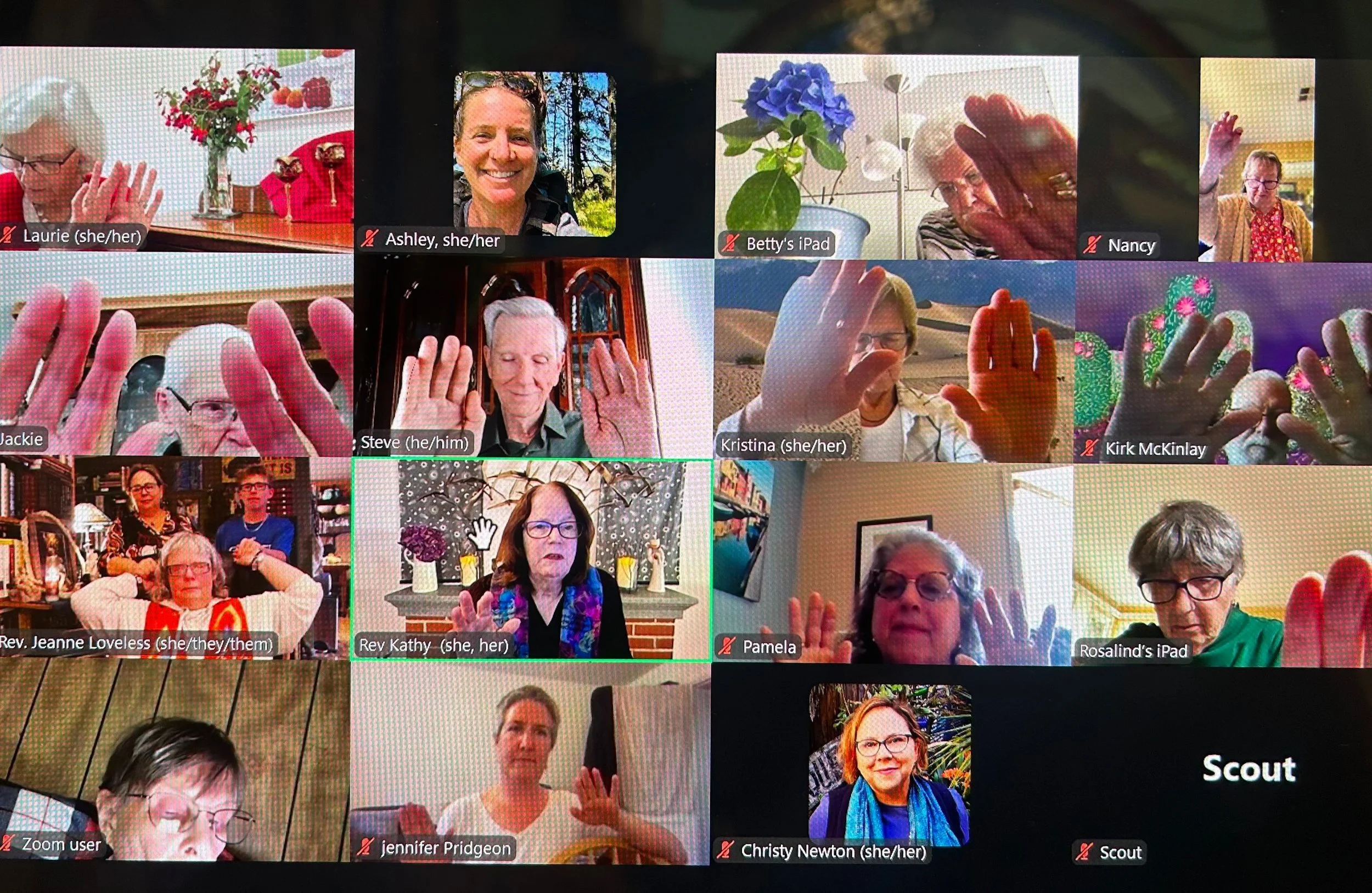
This message of our interconnectedness with one another and the natural world has been a consistent theme in the messages we have been hearing on Sunday mornings. We have talked about: our connection with nature; the ways in which we can reduce stress; our ability to maintain vision and stay hopeful in difficult times; conversation as a metaphor of connectedness; the importance of supporting one another; the language of everyday inspiration. And the conversations continue.
Yes, AI is a big and complicated topic that will be garnering more and more of our attention in the years ahead. Yes, we will need to learn more about it and at the same time, we know that our call is to keep sharing the themes we have been hearing and to focus on being the best humans we can be. Stay hopeful, stay connected.